About Bank Statement Converter AI & Creator Pankaj Jasoria
The common thread through my two decades of work has been data integrity and security architecture. In high-risk fields like IT and blockchain, the mantra is 'zero exposure.' That's why I engineered the Bank Statement Converter with an ephemeral, zero-retention security model. My experience as a senior developer is not just about making a button look nice; it’s about writing clean, bulletproof code that guarantees your sensitive financial data is processed in isolated, volatile memory (RAM) and immediately destroyed—eliminating the risk of a breach before it can even exist.
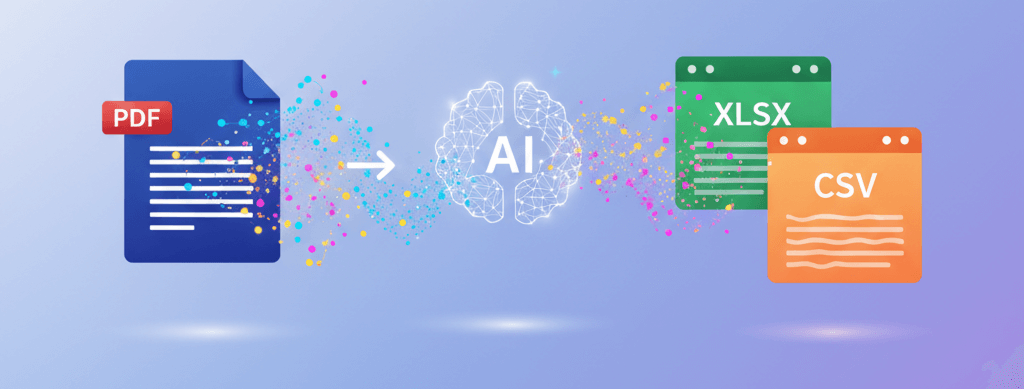
Bank Statement Converter was launched on 30 September 2025 with a simple mission — to make bank and credit card statements easier to understand, analyse, and manage.
The idea came from a personal frustration. While reviewing a credit card statement filled with hundreds of small UPI transactions, there was no quick way to calculate totals or analyse spending. After searching online and finding no tool that actually solved the problem, the answer became clear — build one.
The first version focused on what matters most — convert PDF bank or credit card statements into Excel/CSV instantly and accurately. No complicated steps. No manual entry. No chaos. Today, we’re already getting steady organic traction from Google and other search engines, proving that thousands of people face the same problem.
About the Founder — Pankaj Jasoria
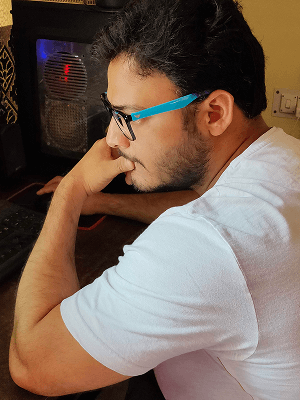
I’m Pankaj Jasoria, the creator of Bank Statement Converter. With nearly 20 years of experience in web development, I’ve spent my career understanding how users think and what they actually need — not what looks flashy on a pitch deck. I get frustrated when products ignore basic usability and user experience, so instead of waiting for others to build things correctly, I started doing it myself.
My professional journey spans across marketing, IT, ecommerce, technology, and even blockchain to some extent. This diverse background helps me look at problems from multiple angles and build products that are both practical and easy to use.
Working solo and building micro-SaaS products for a living wasn’t an easy decision, but it was the right one — because it gives me full freedom to focus on solving real problems without unnecessary complexity.
